Soy vs Paraffin vs Beeswax: Which Candle Wax Is Best?
An honest comparison of the three most common candle waxes — how they burn, how they carry fragrance and what they mean for your home.
Avnika Creations यांच्याकडून
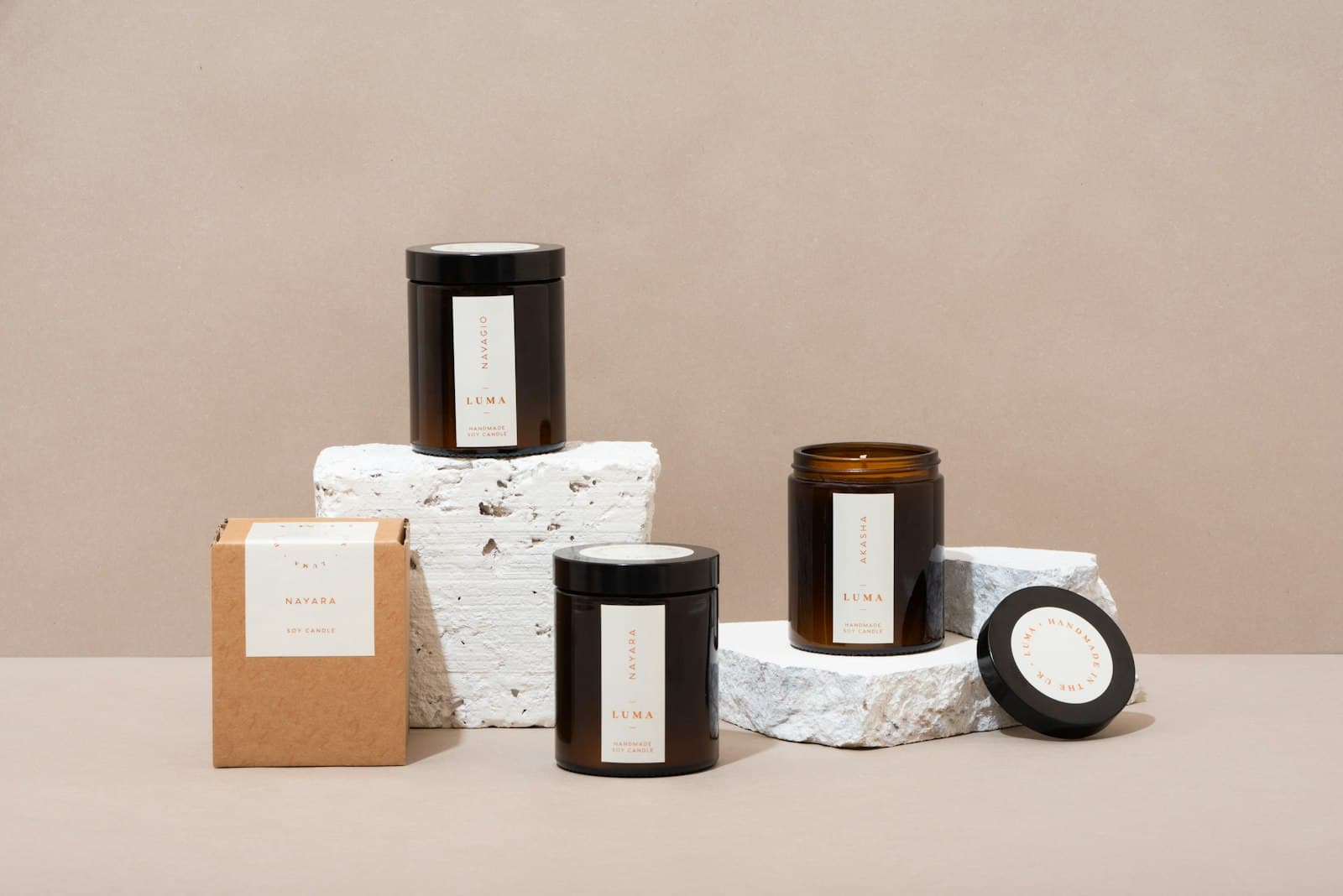
Walk into any shop and you'll see candles made from different waxes, often without the label telling you which. The wax decides how a candle burns, how strongly it smells and how long it lasts. Here's a straightforward comparison.
Paraffin
Paraffin is refined from petroleum. It is inexpensive, holds colour vividly and releases fragrance strongly, which is why it dominates mass-market candles. Its downsides: it burns faster than soy, and poorly made paraffin candles with oversized wicks can produce noticeable soot.
Soy
Soy wax is made from hydrogenated soybean oil. It melts at a lower temperature, so a soy candle burns more slowly and evenly, with a wide melt pool that releases fragrance gently and consistently. It is soft, which makes it ideal for jars and tins. Soy is our choice for most Avnika candles because it burns cleanly, carries floral fragrances like mogra and jasmine beautifully, and suits small-batch hand-pouring.
Its quirks: soy can show "frosting" (a white crystalline bloom) and slight surface unevenness. These are natural and don't affect the burn.
Beeswax
Beeswax is produced by honeybees. It burns the longest and brightest of the three, with a natural honeyed scent of its own, so it is usually left unscented. It is the most expensive and isn't vegan.
At a glance
| Paraffin | Soy | Beeswax | |
|---|---|---|---|
| Source | Petroleum | Soybeans | Bees |
| Burn speed | Fastest | Slow | Slowest |
| Fragrance | Strong | Gentle, even | Natural honey |
| Best for | Bright colours | Scented jars & tins | Unscented pillars & tapers |
What about blends?
Many makers blend waxes for specific jobs. Our floating candles use a soy-paraffin blend so they float steadily, and our tapers use a firmer plant blend to stand tall without drips.
Whatever the wax, the wick and the way you burn matter just as much — see our candle care guide.